

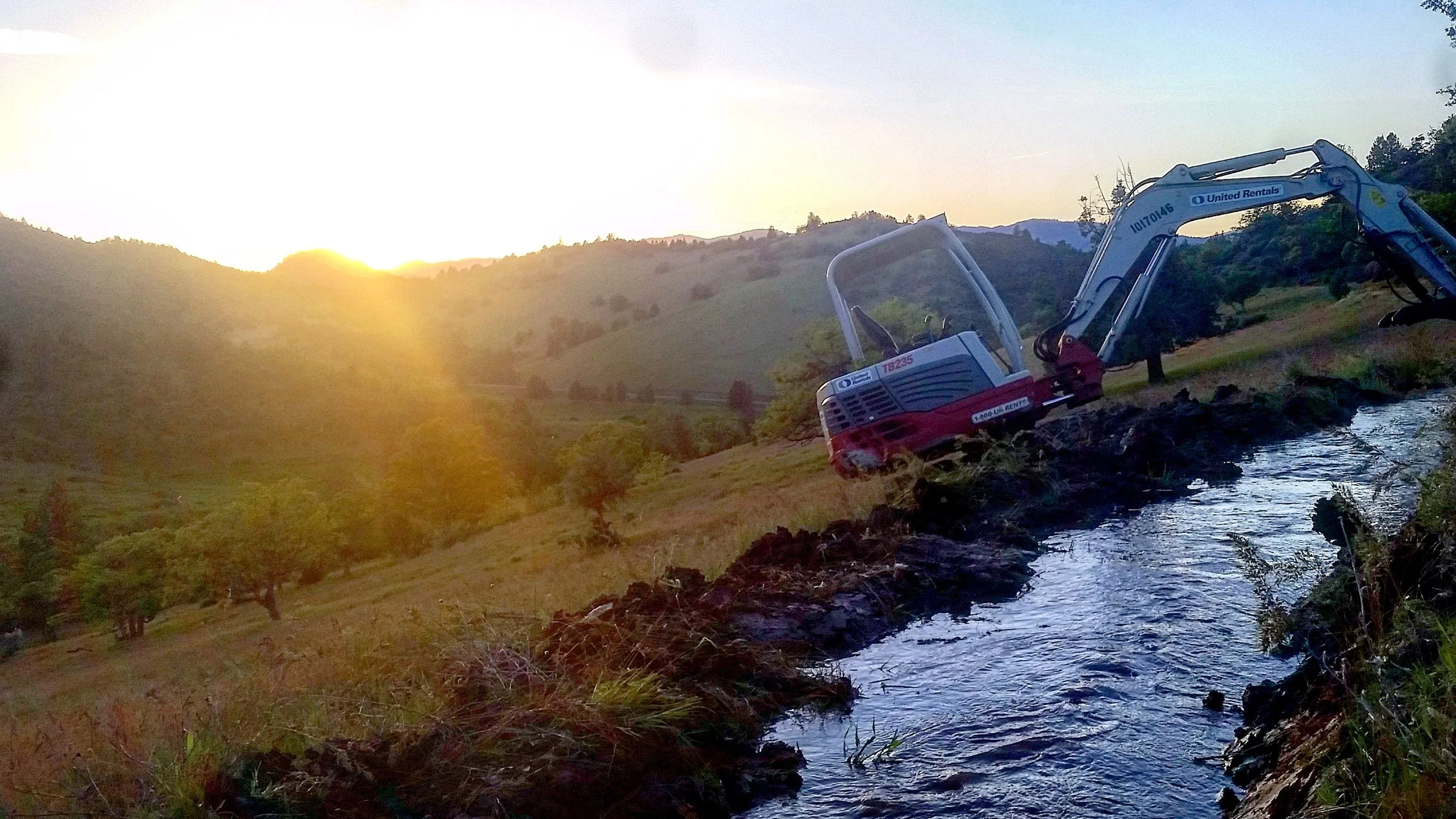
Land
Stewardship
Services
Consulting & Permaculture Design
Sometimes land projects such as farms, gardens, and homesteads simply need help finding direction and holistic connection amidst already established systems. Most places need restoration and re-design, or to be established from scratch in order to achieve a foundation that facilitates regenerative systems and easeful work. It is our passion to assist you by consulting and designing holistic systems for your unique site and project.
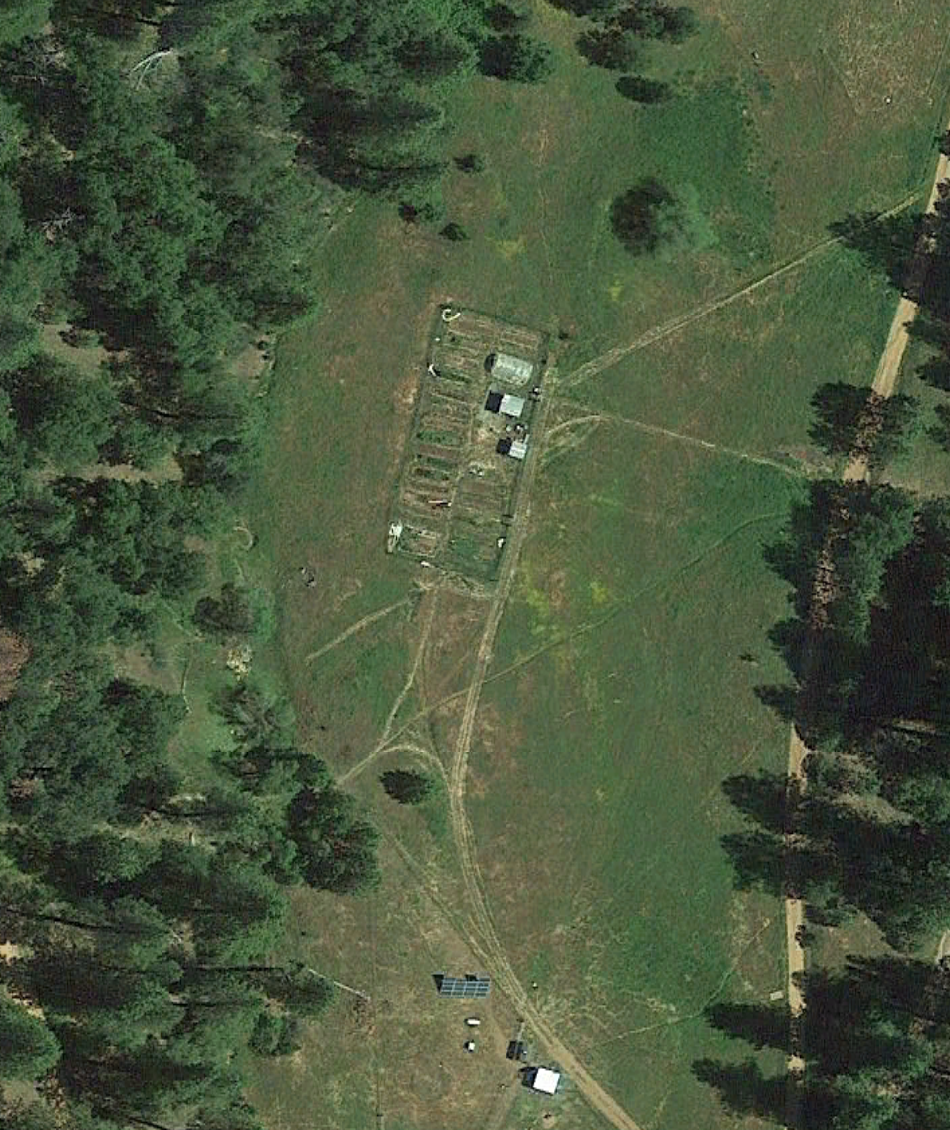
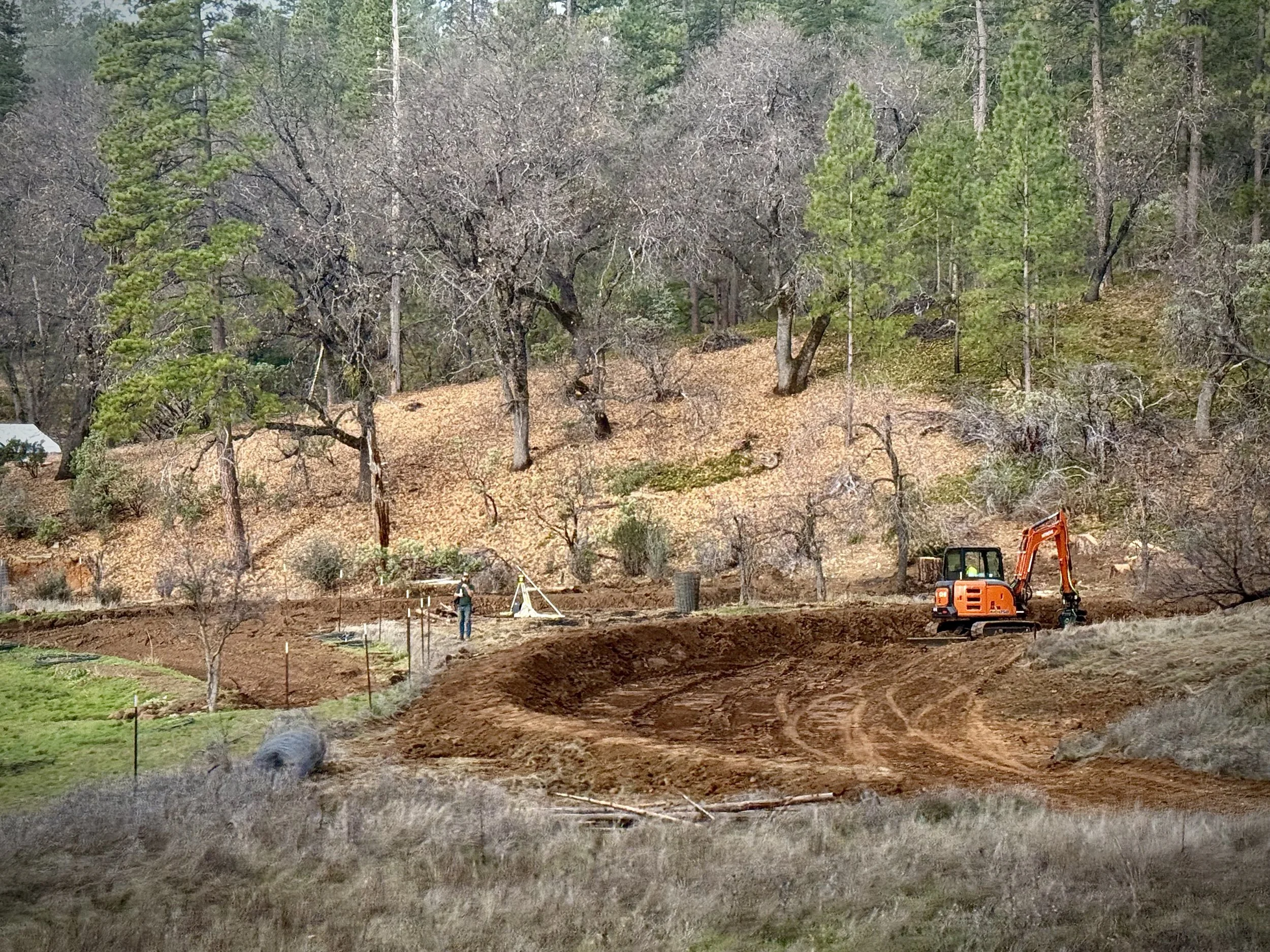
Before re-design
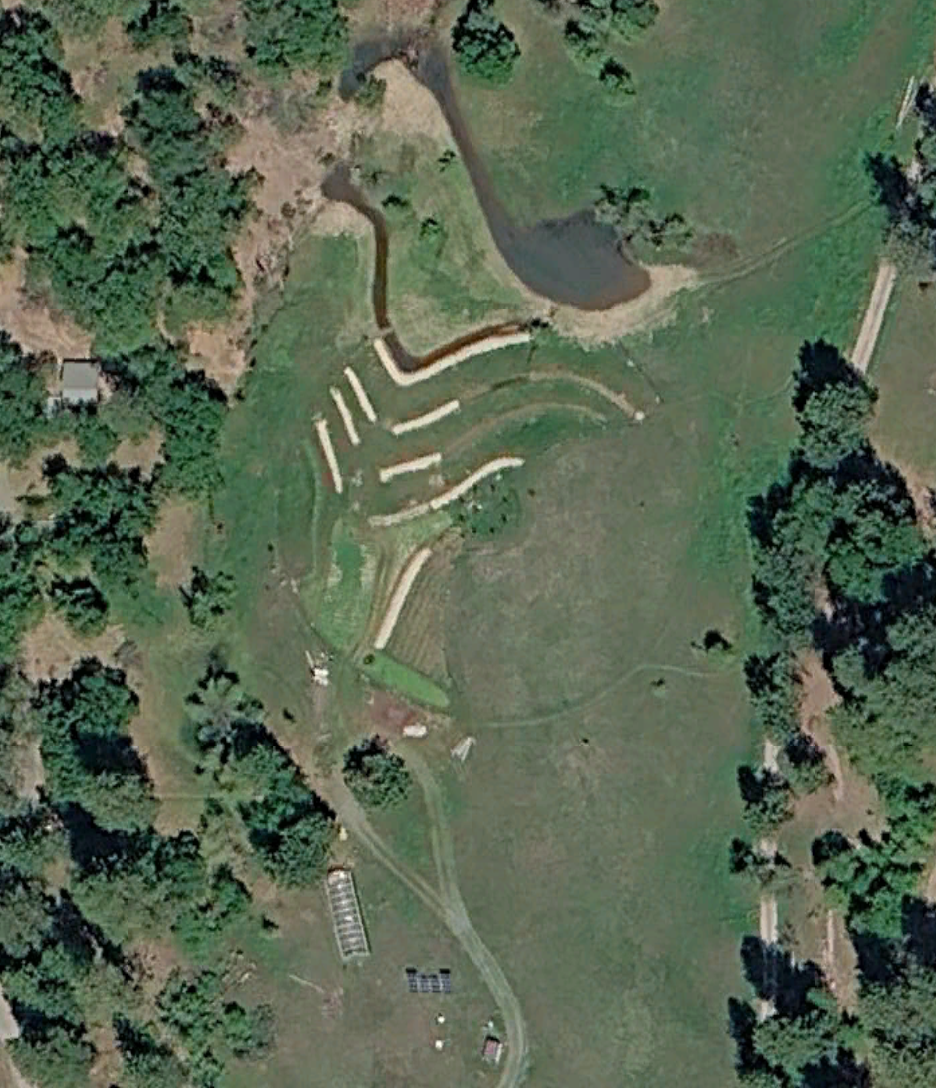
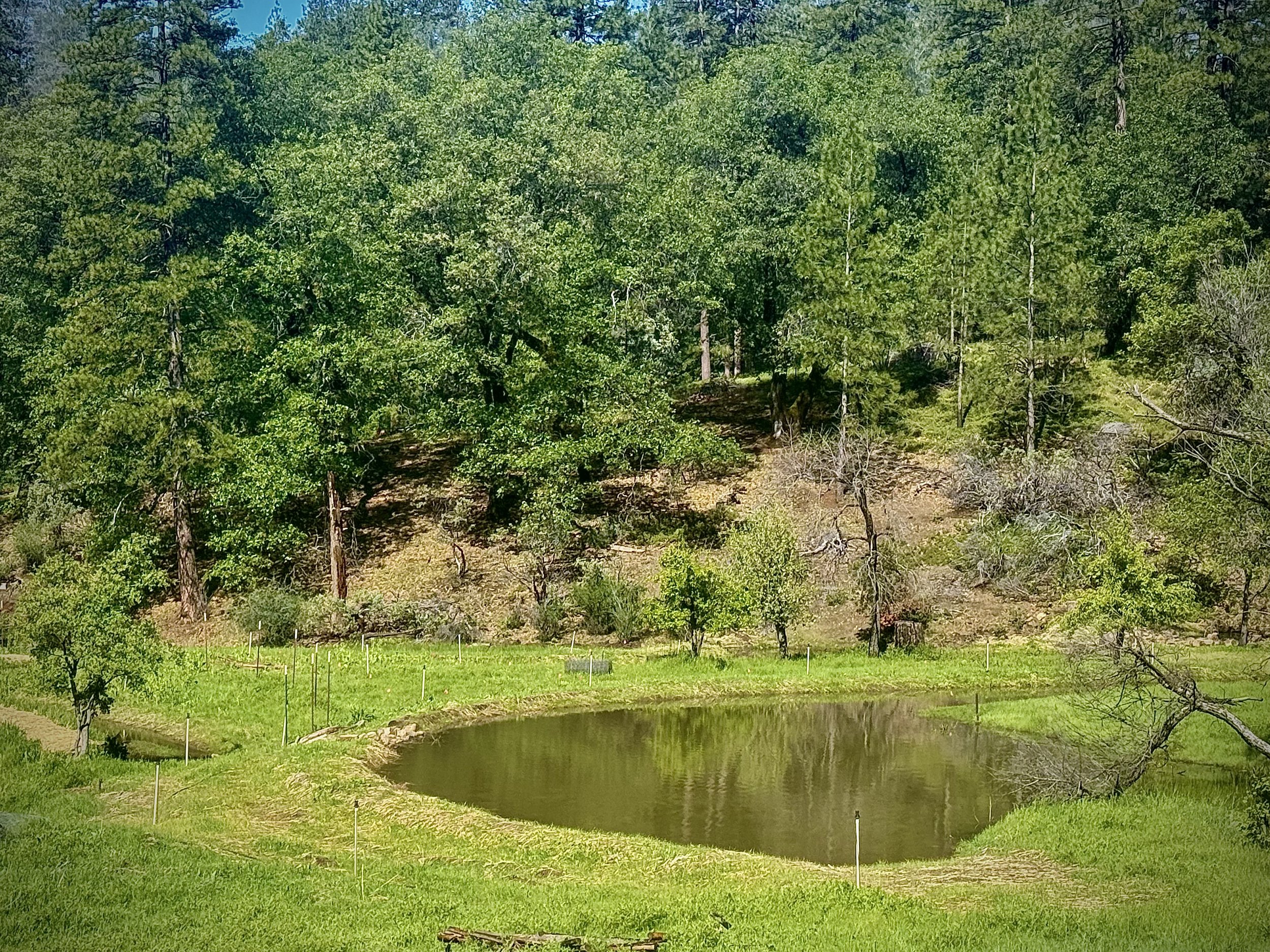
After re-design & build
Full Service Permaculture Design
Water, Access, Infrastructure
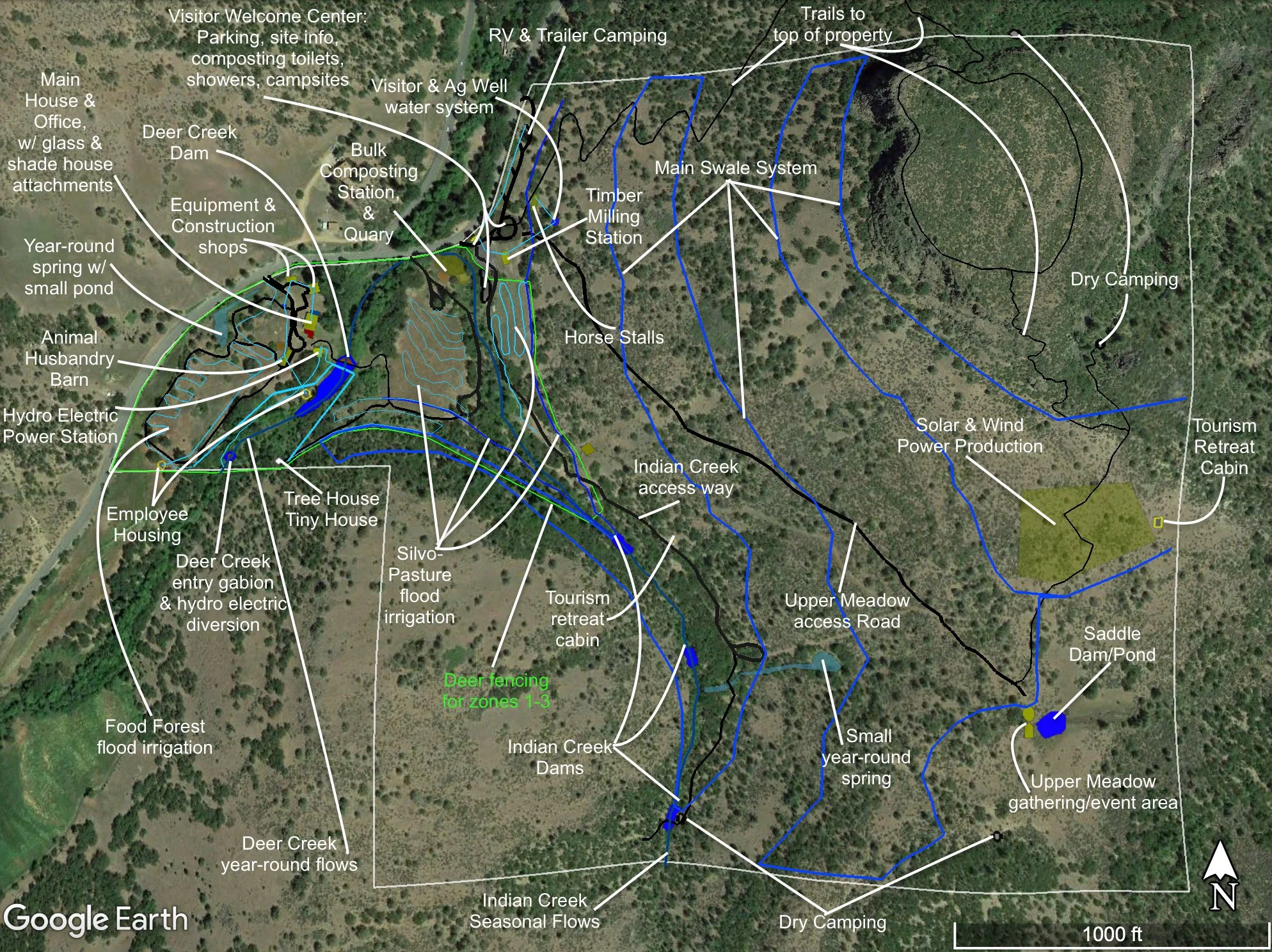
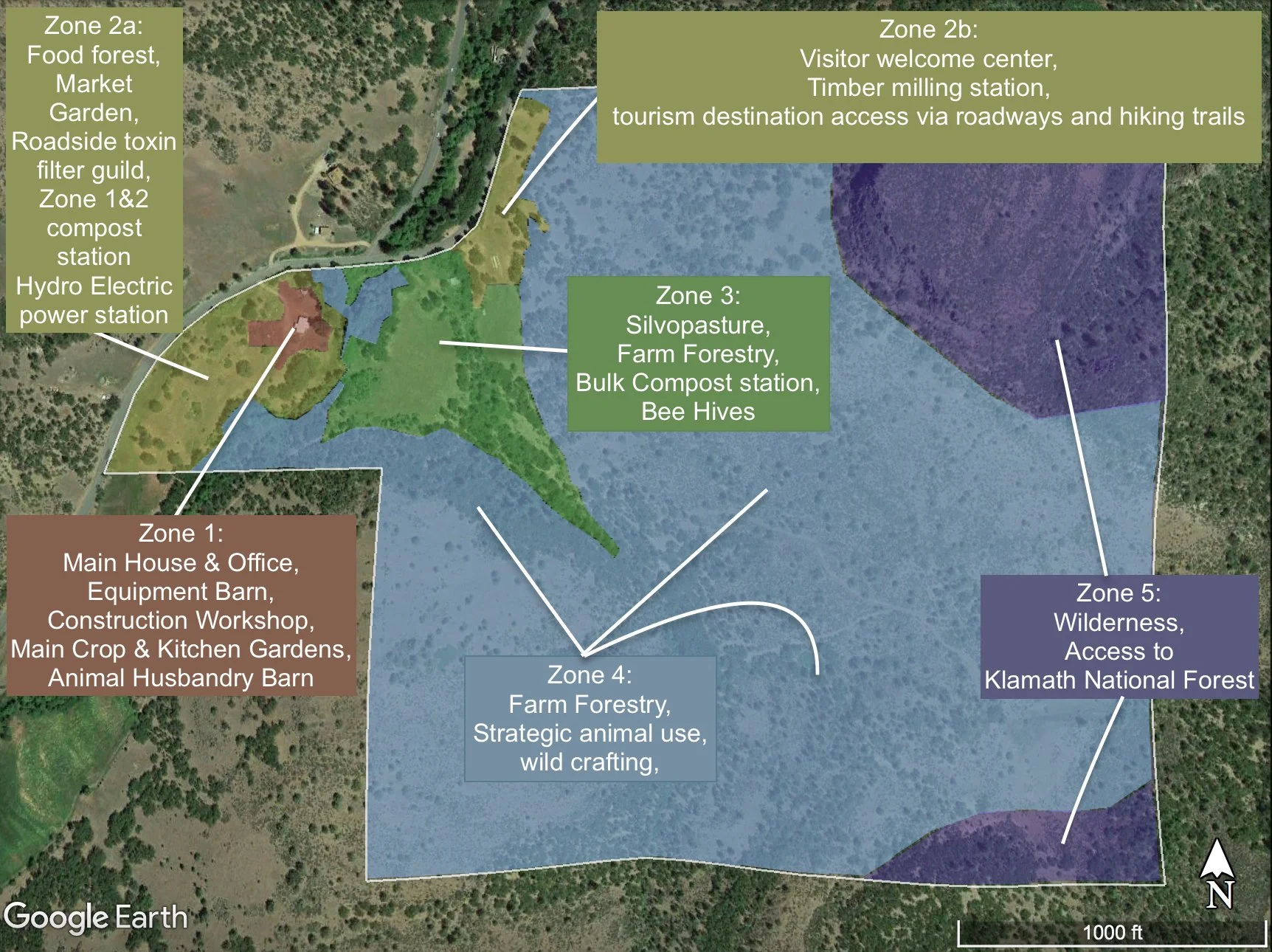
Zone Mapping for use/vicinity
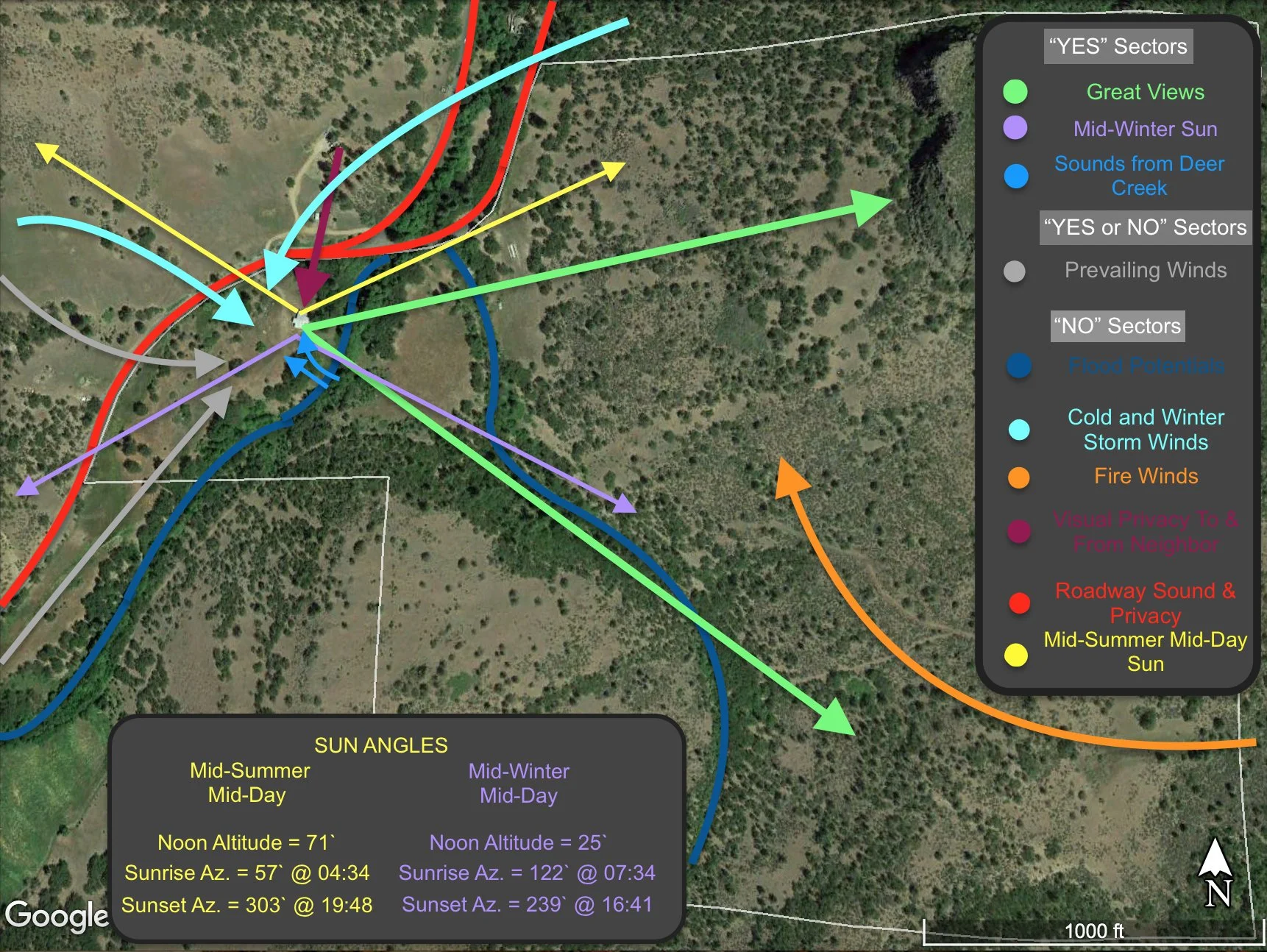
Sector Analysis
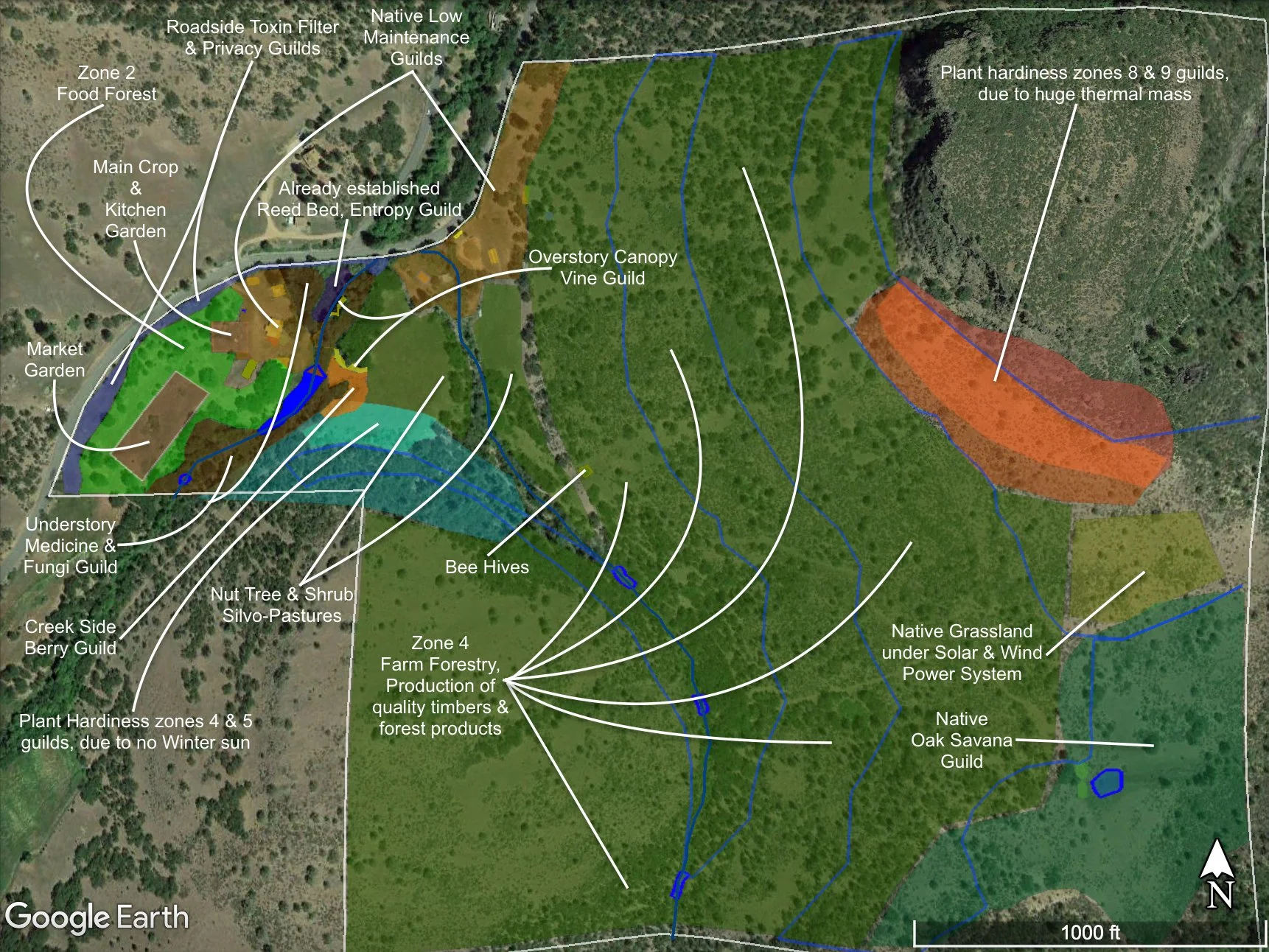
Planting conditions and guilds
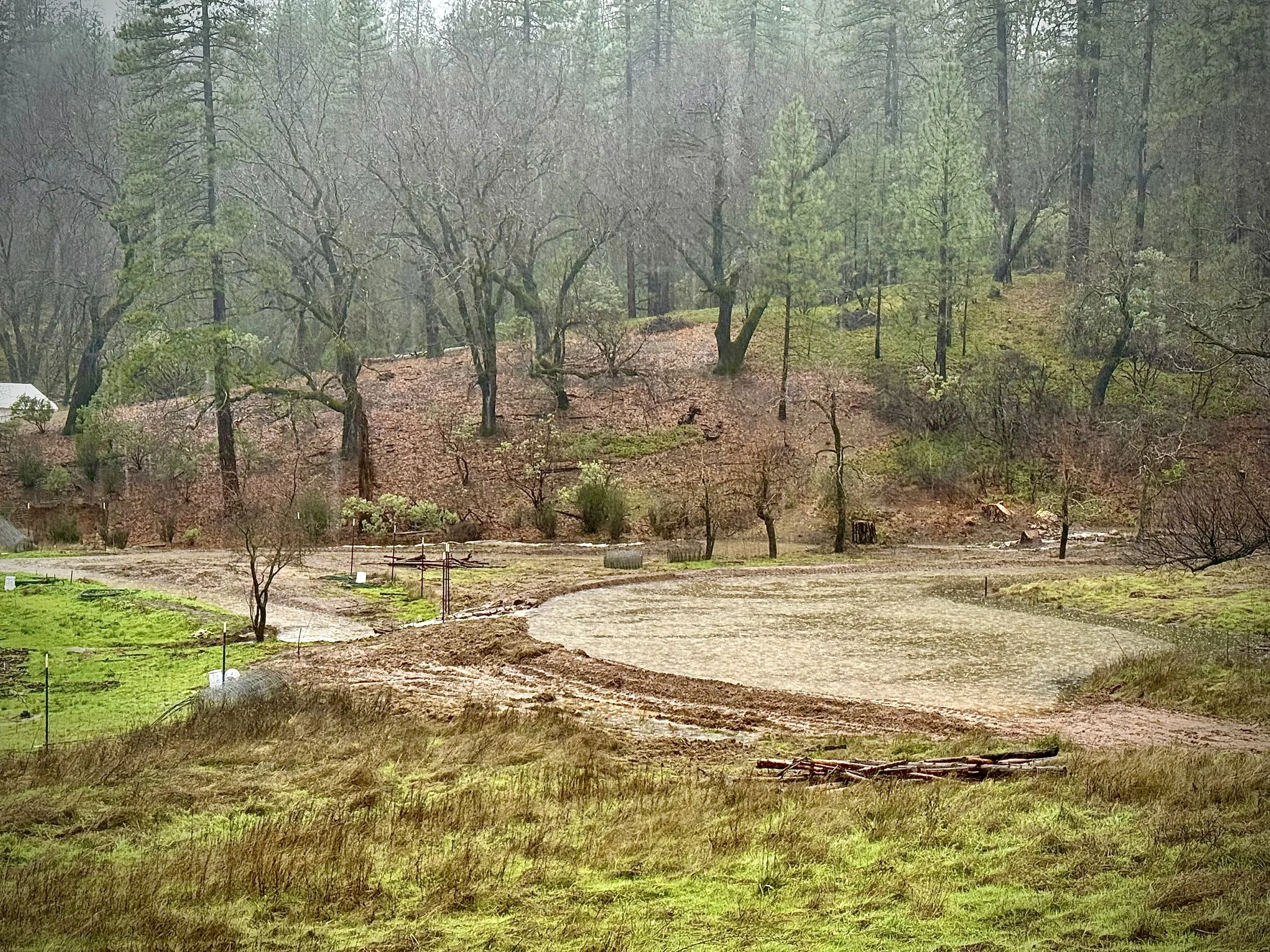
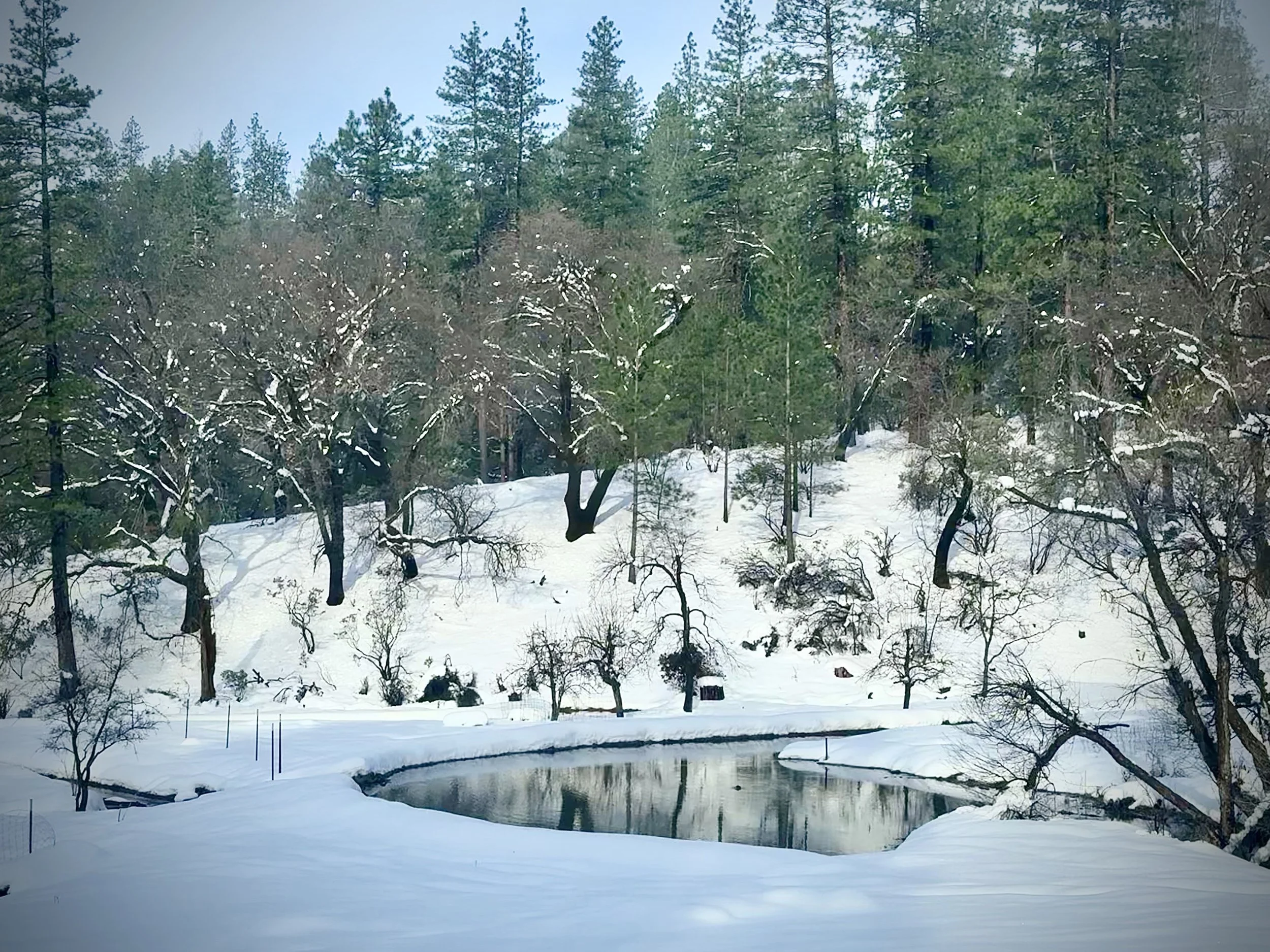
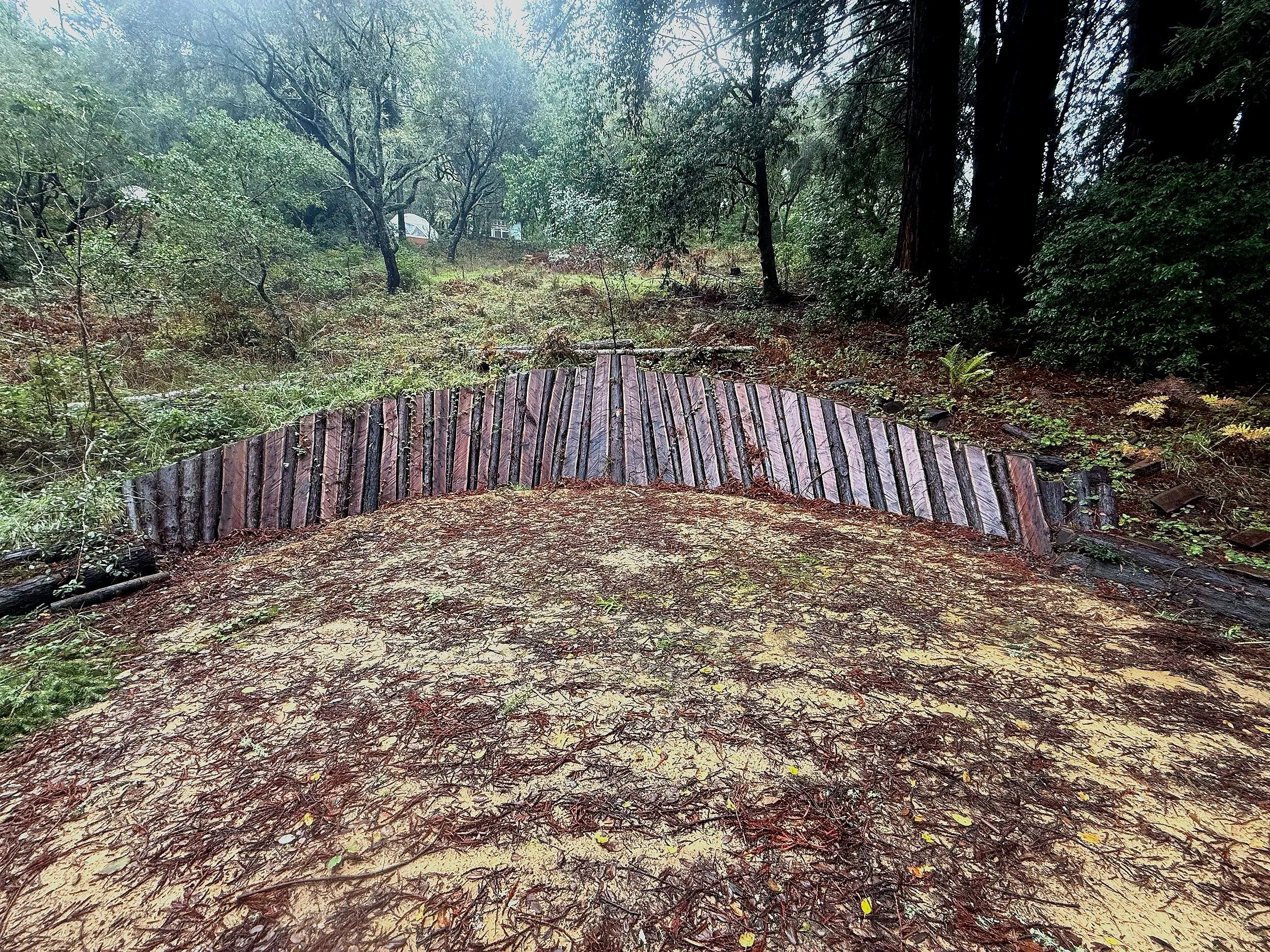
Water-Retention earth Works
Needless to say, stewarding water resources well is perhaps the highest priority for the generational wellbeing of a people and place. The ability to hold water in our landscapes is an art and craft that unlocks all the potential of which a working or wild landscape has to offer. Though, before we can safely harness that power by catching and retaining it we must spend the time listening and building a high quality relationship to the local climate, seasons, and soil.
fire ecology & forestry for Wild fire Resilience
The connection and practical integration of fire ecology, hydrology, soil health, forestry, and traditional ecological knowledge is foremost in our approach to the current state of emergency regarding accumulated wildfire fuel loads throughout California and other fire-adapted bioregions. That being said, we also offer services that specifically address fuel loads to achieve wildfire safety and resilience in the short and long term. These services include basic fuels reduction, prescribed fire, prescribed grazing, and encroachment release seen in the video here.
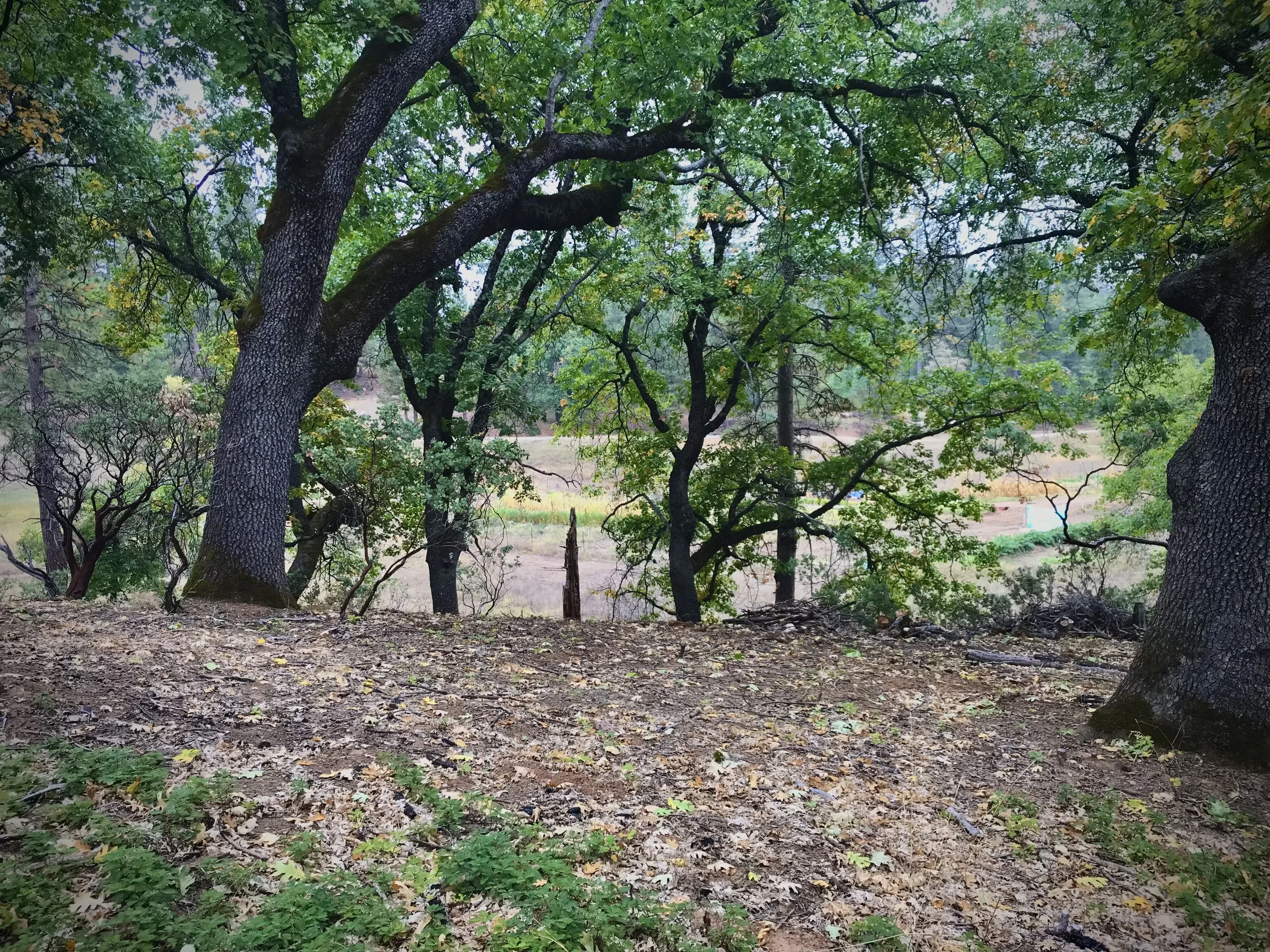
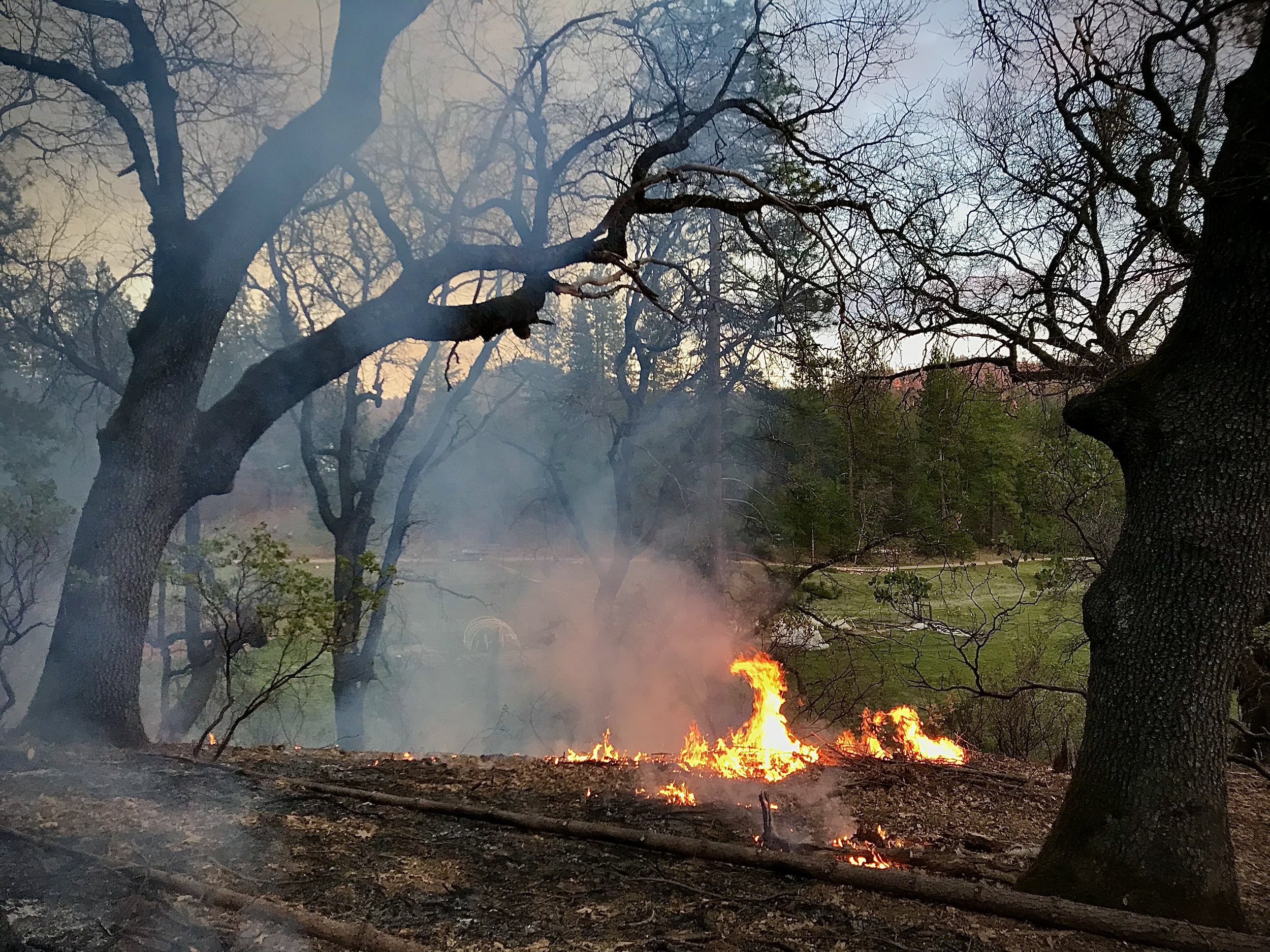
An example of first entry fuels reduction after 60 years of neglect. If untreated this old growth Oak grove would have likely been lost in a future wildfire. This treatment created a highly fire-adapted forested landscape called a shaded fuel break.
Other Services
Onsite Logging, milling & Building
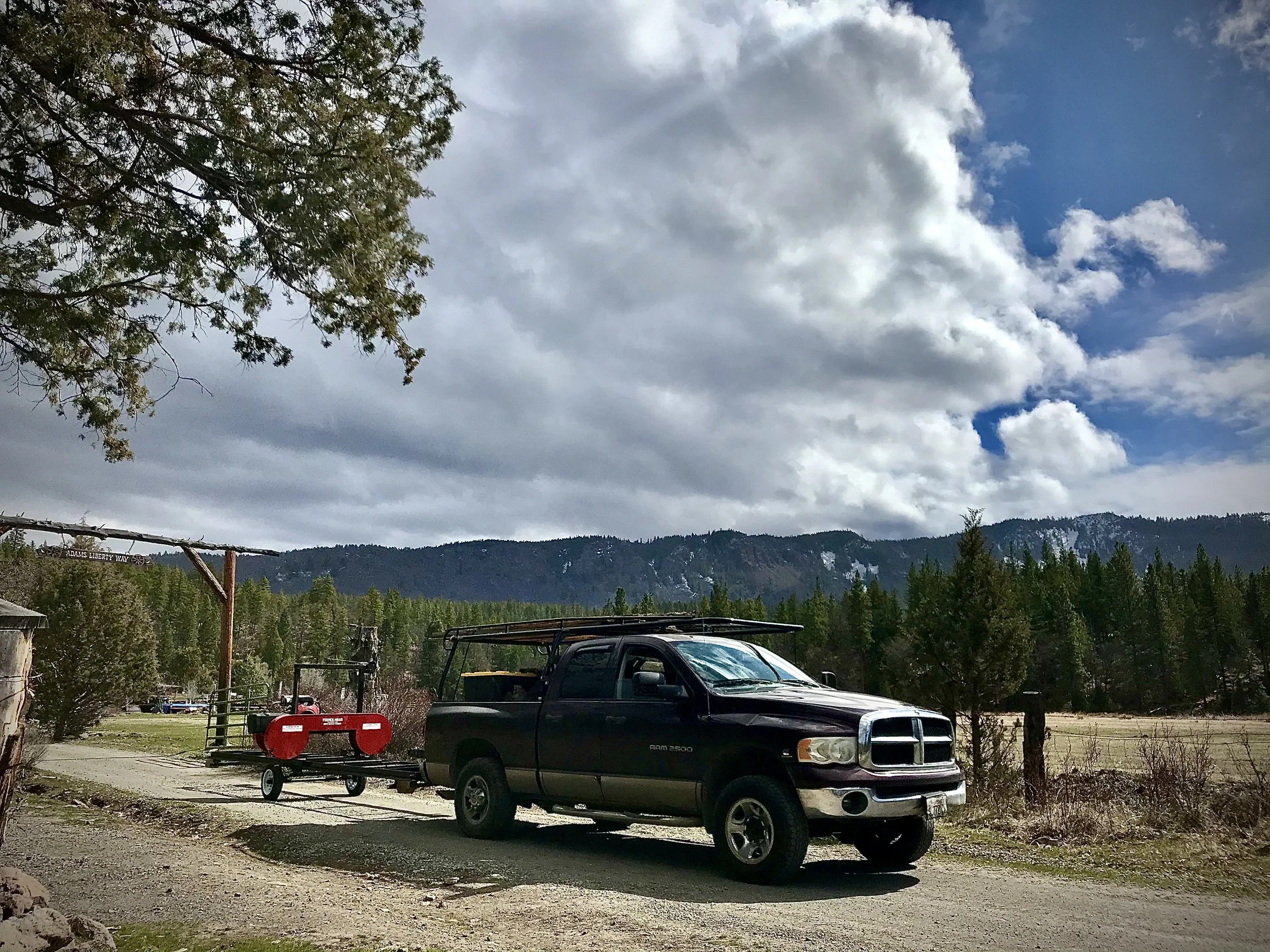
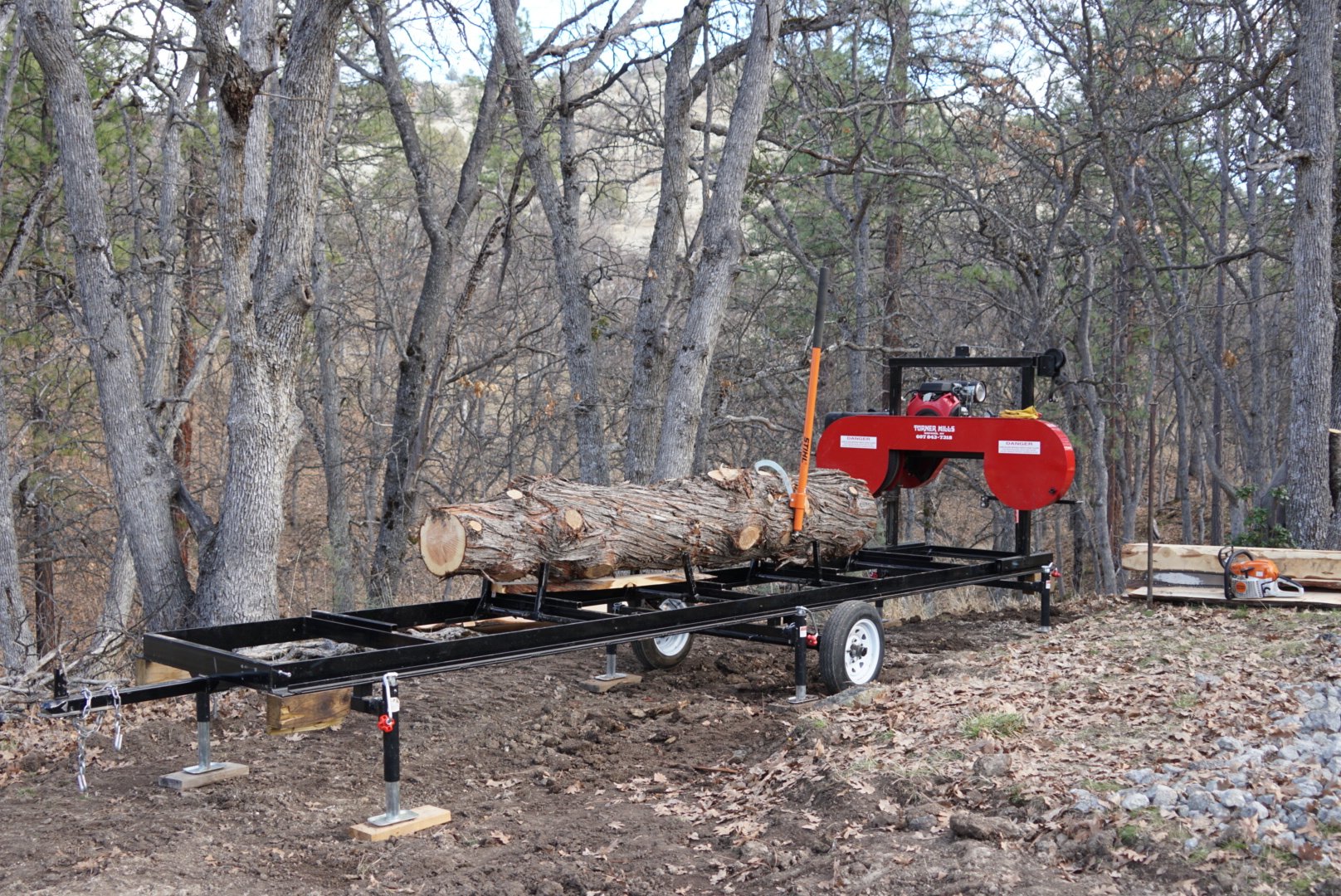
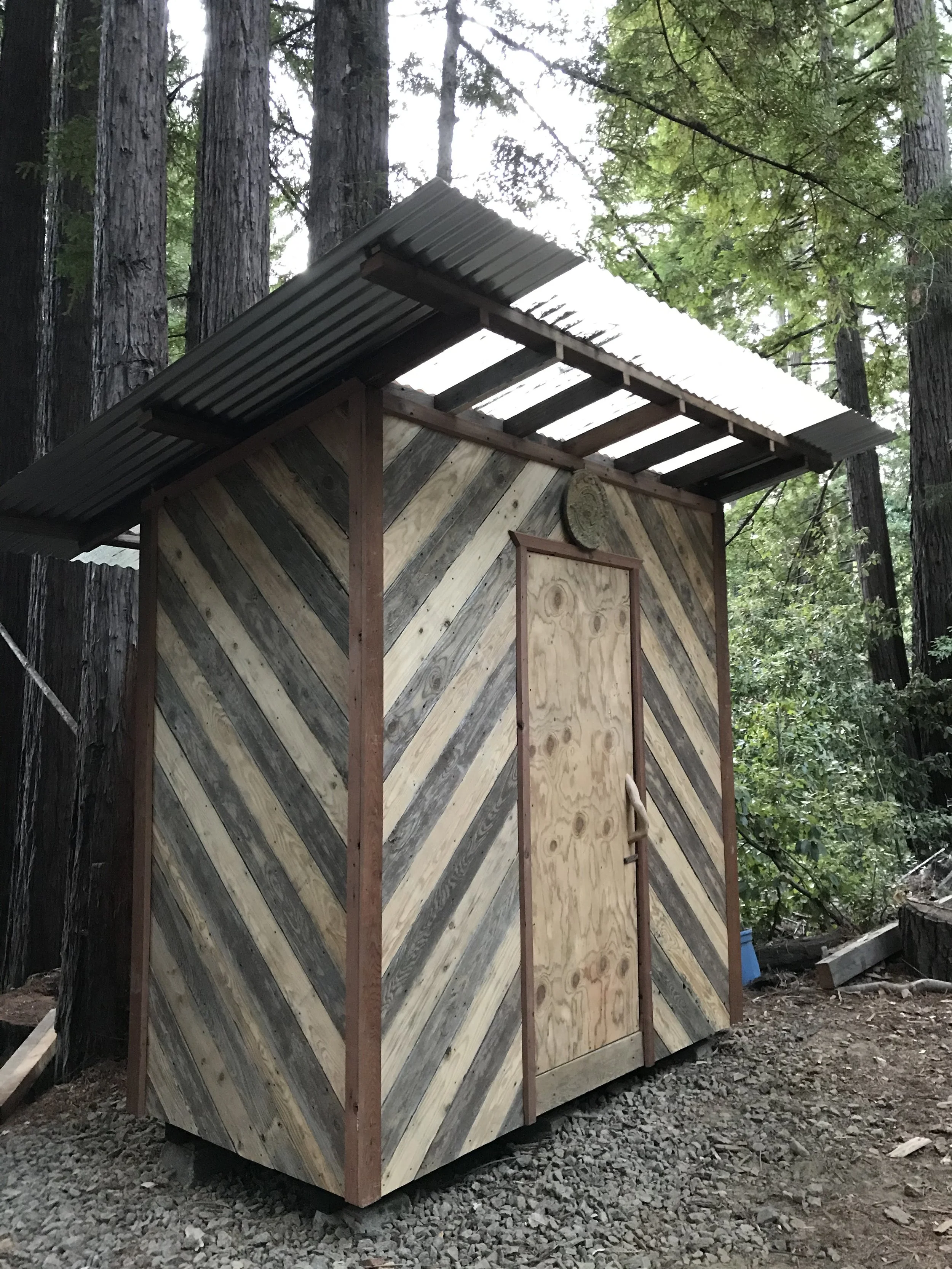
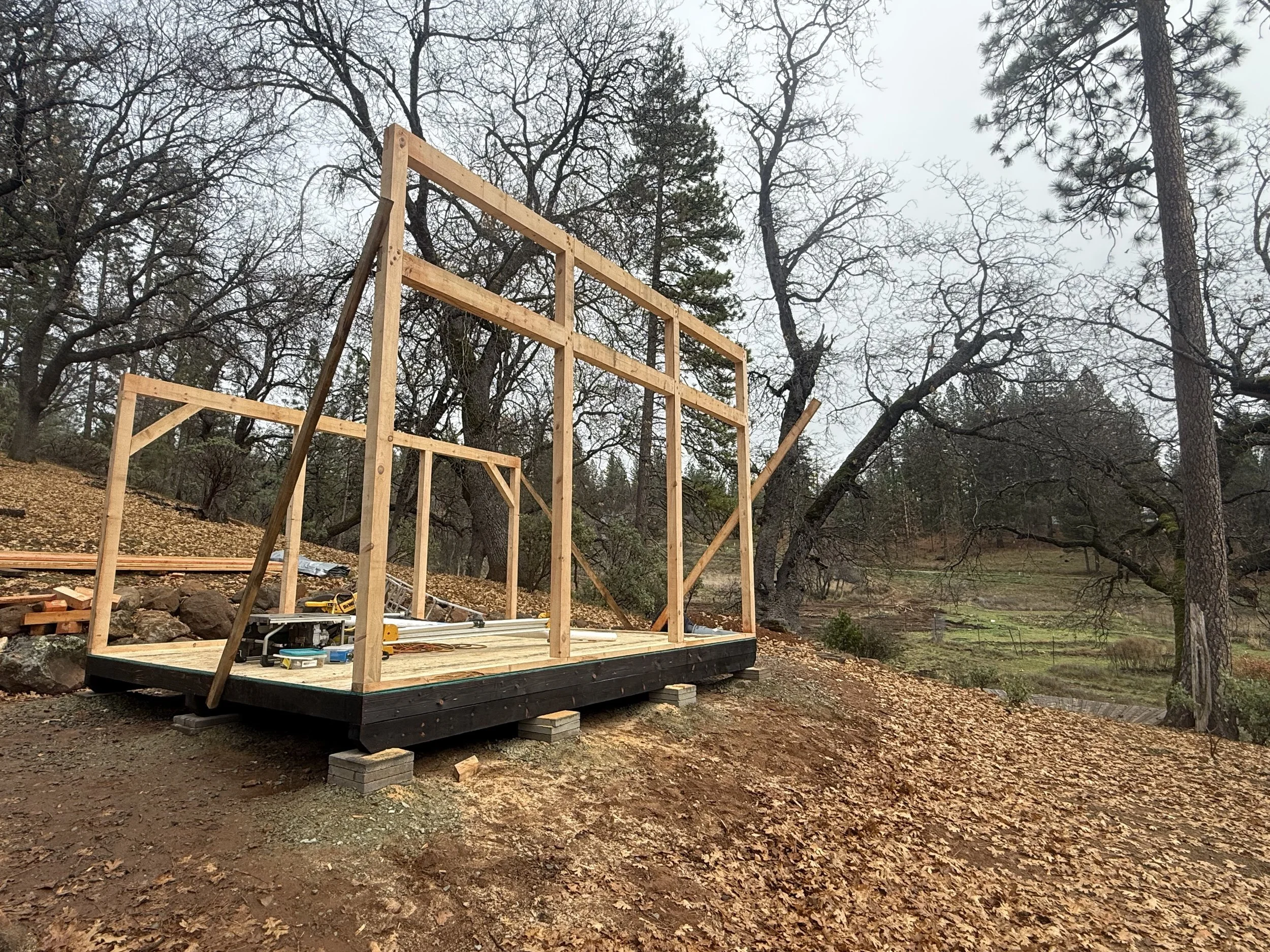
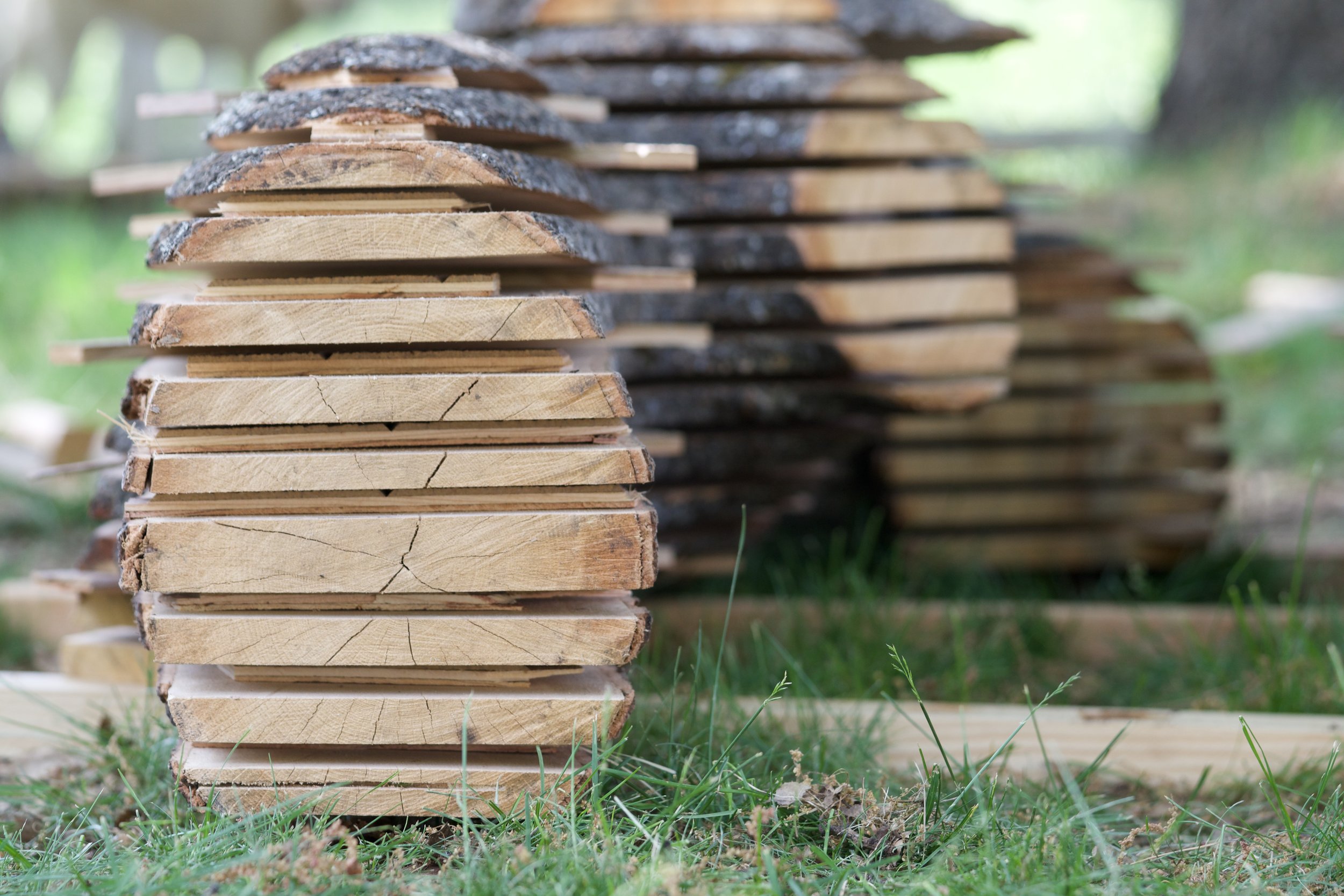
Amidst the tending of wildfire fuel loads in mixed conifer and Oak woodlands we frequently encounter forest stands that have been neglected for over 50 to 100 years. In these cases, it is necessary to consider the thinning of larger diameter trees. Parcels from 1-5 acres can often yield all the timber a land owner needs for onsite use simply in the act of properly stewarding the forest for the sake of wildfire safety. In the process, we will also be sure to help you plan for future harvests via planting and/or further thinning at a later date. For larger sites we can refer you to quality Registered Professional Foresters and other resources that are available to help you establish and execute a Forest Management Plan for generations to come.

Rural roadway Construction and Re-Grading
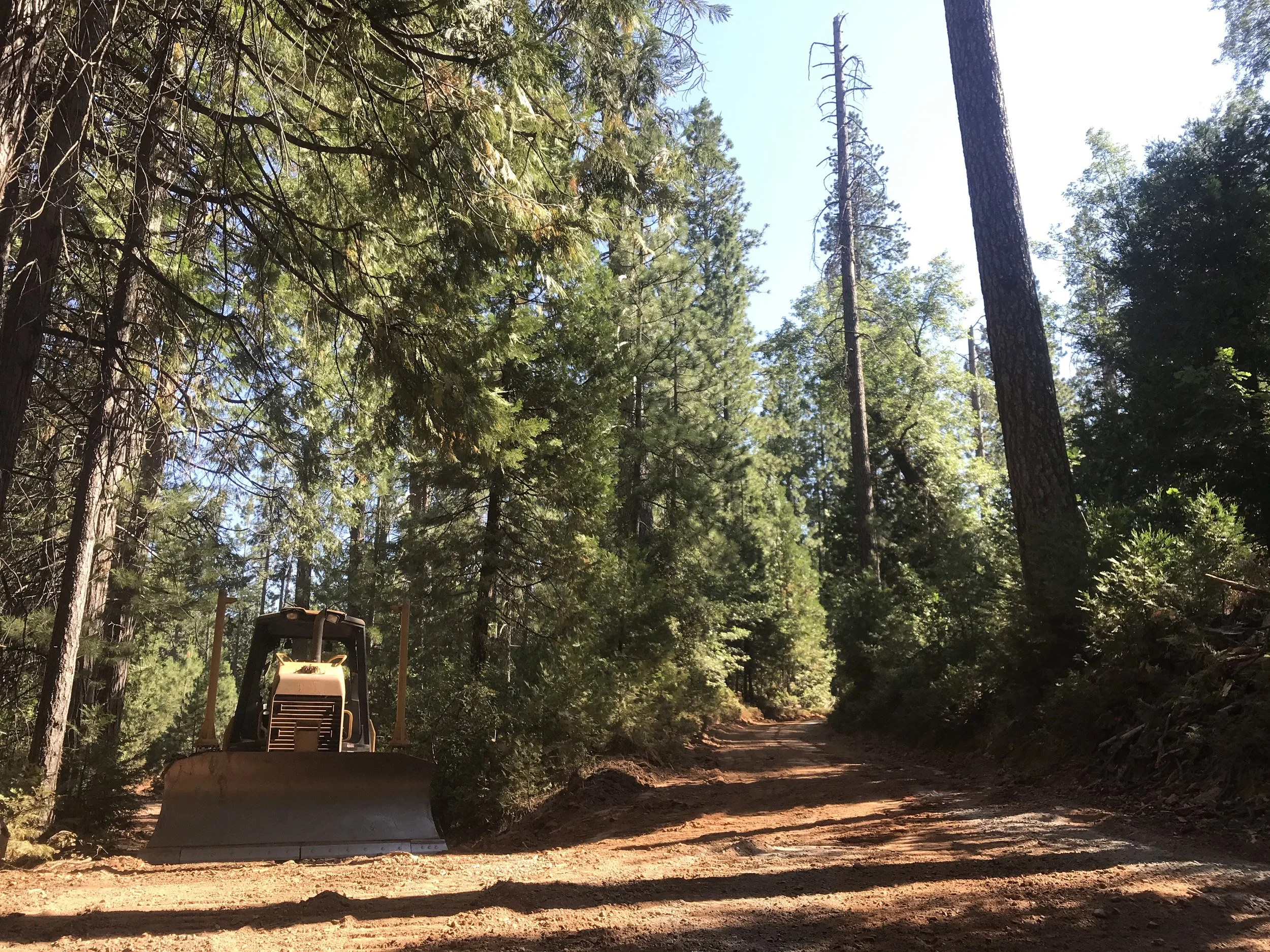
In Permaculture we design and build every site with a foundational three stage process. That is to design for Water, then Access, and then Infrastructure. It is far too often that we see previous generations of developers working in the exact opposite order and the consequences frequently result in unnecessary maintenance demands and the eventual need to re-design all three sectors while also having to repair the impacts from the previous methods of construction. The key for long lasting rural roadways that require minimal maintenance is to design them with water in mind. The most underutilized yet most valuable technique is the “Outboard” graded road with strategically placed water bars. This style of construction allows for immediate shedding of all water that falls upon the road as opposed to “Crowning” which collects water on the up hill side and thus requires culverts and/or overused water-bars which are often blown out by large rain events. There is a time and place for all roadway construction techniques. Though, we have found our strategies to provide for maintenance free roads for 5 years or more.
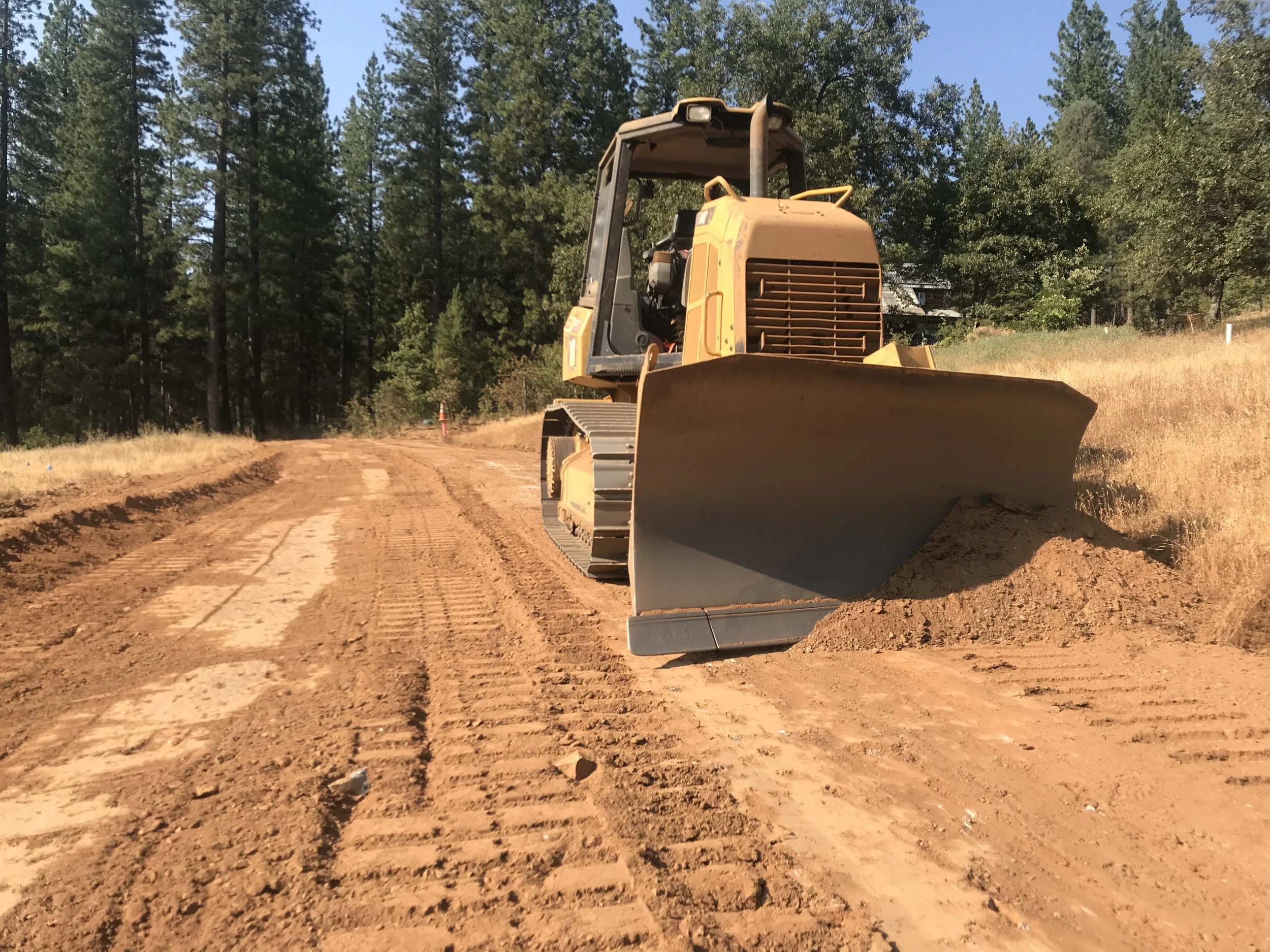
“Running water is the primary force affecting road condition and generating the need for maintenance. Economical maintenance means dealing effectively with water”
-Bill Zeedyk
Grant management and fulfillment
Management and fulfillment services for numerous grants like the NRCS EQIP and Cal Fire CFIP which provide technical and/or financial assistance to landowners for their goals in wildfire safety and forest health, as well as for farm and ranch operations looking to implement various conservation treatments. Regarding watershed restoration, we are currently working with the Department of Fish and Wildlife, the CA Water Boards, and other relevant organizations to learn how we can make in-stream watershed restoration more accessible to private landowners and NGO’s who desire to actively participate in these processes.